The
comic/graphic novel genre has gained a large following over recent years. This
comes in line with the slew of comic book superheroes and characters being
turned into movies and vice versa. The genre of comics, which involves both
text and image, provide our students with a highly enticing reading option, as
compared to the choice of static text page after page. This provides us with a
good avenue to initiate students into the world of literature in terms of the
narrative and exploration of literary elements.
When and how can the comic book be used in teaching
literature?
Activities
involving creating comics can be used as a chapter
summary exercise for texts, or on completion of the text. It is also
compatible for understanding drama and
plays better, since the comic is a visual extension of the written script.
This is a similar idea to how teachers would bring students to watch
performances of the stories they are studying, except that comics will be more
cost-effective.
They can be
used as inferential activities to
draw out specific meanings from the text. For example, students can be asked to
draw what they think a character is feeling during a key moment in a text. The
visual element would help them to better relate to the character/story.
Students can
also use comics to reinterpret stories
written outside of Singapore’s cultural context, to make it their own. It
also helps in making their texts more memorable, accessible and relatable.
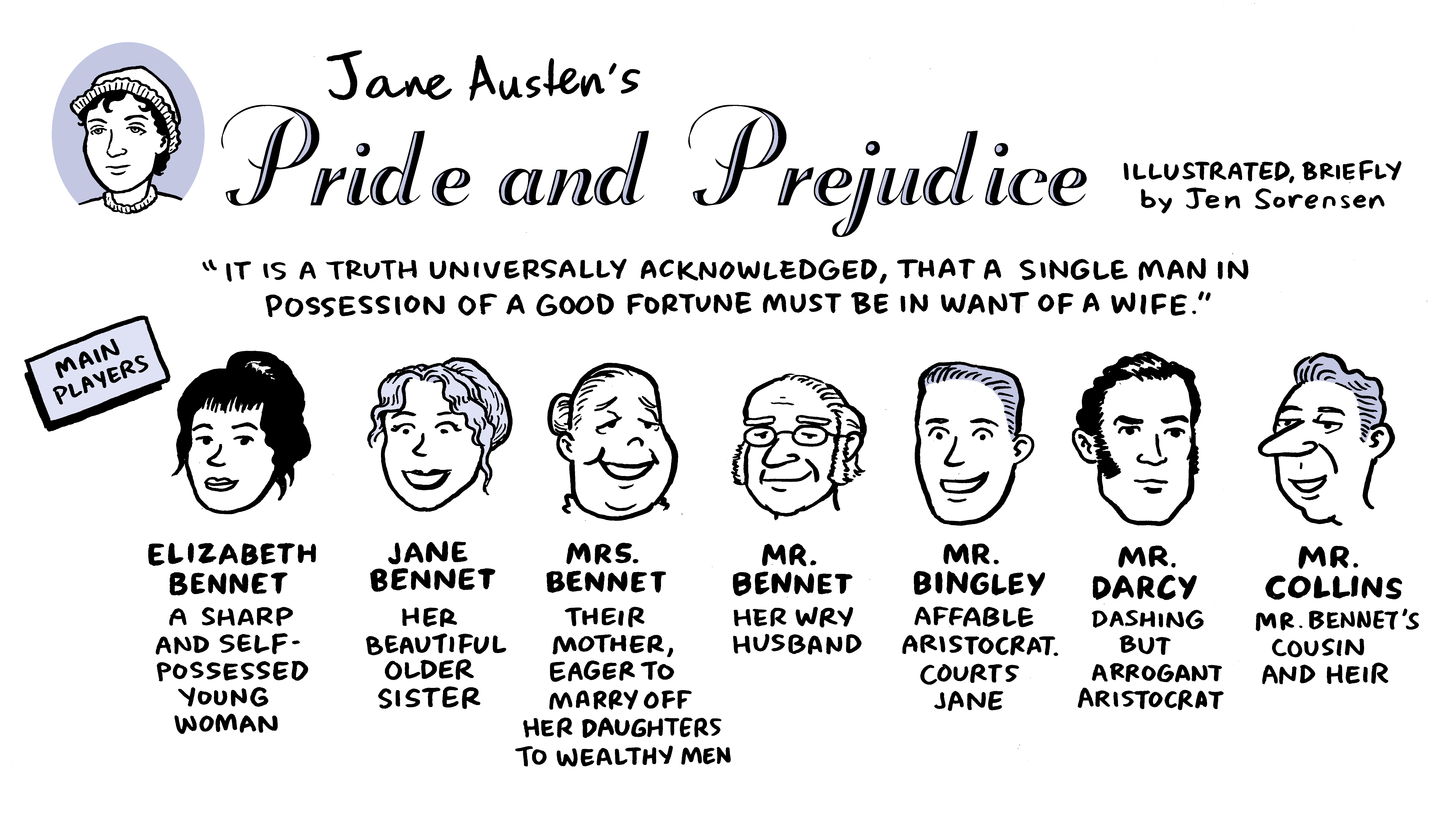

How do these activities assess learners & when
can we use them?
Incorporating
comics into students’ learning enables us to engage them during lessons and focus
on their interests. It also accommodates
to today’s increasing emphasis on visual
stimulus, provided by the wonders of YouTube, Tumblr and Instagram – all of
which infuse text with other forms of media. Bringing in the visual aspect of
the text they are reading would make the text more salient and easier to
imagine.
Students
would need to have a very clear understanding of plot and characters before
they can accurately and seamlessly convert the story into visual media, such as
when they draw a scene from a book. An activity involving this would enable teachers to check for their understanding
of the content-heavy aspects of the text in a manner which students will
consider less intimidating than a
written test.
It also
expands students’ understanding of the text as they would be bringing it alive through artistic
expressions and reinterpretation. They would have to actively understand
the text and extract the essence of its meaning in order to convert it into a
new medium of texts, images and
speech.
Comics are
also a highly condensed medium of
literature as the pictures have to speak the thousand words which are
conventionally written in texts. Thus, it demands a relatively higher level of
understanding on the student’s part, in order to be able to translate the nuances of language and ideas
to the comics they reproduce. This would help them in the linguistic aspect
of writing too.
The comic
strip’s layout also helps students to organise
their knowledge of the text chronologically, which will ultimately boost
their ability to recall and remember texts in the final traditional exam.

 Key
articles and resources:
Key
articles and resources:
Comic strip template creator:
http://www.readwritethink.org/classroom-resources/lesson-plans/comic-makeovers-examining-race-207.html?tab=4#tabs
(different lesson approach, but there are useful resources provided)
Notable
links about turning stories into comics:

This comment has been removed by the author.
ReplyDeleteYou tend to write in short paragraphs that are usually 2, sometimes 3 sentences long, also did you bold key phrases? Lol, were you from the Media or PR industry?
ReplyDeleteAnyway you might wanna check out adaptation theory 'cos when adapting one medium from another, a wide possibility of interpretations can occur. So a teacher might have to go through with the class what is the desired degree of adaptation. Generally this ranges from a faithful translation, to reinterpretation and appropriation. I mention this because you describe accurately and seamless conversion on one hand and extracting essence in the other which is at two opposite ends of the spectrum, so a teacher would have to be careful whether she wants it to brainstorm ideas for a text or use it for assessment.
Haha, the term highly condensed medium of lit is pretty interesting also. I've always considered it as another branch of lit altogether.
Jensen, why are you commenting on everyone's blog presentation style? :) though it is an interesting exercise to think about why individuals present the way they do and see whose presentation works best for a blogger format. On another level, is there such a thing as a faithful translation? How do we judge one translation to be better than another?
DeleteThanks Clare for sharing the various ways that comics can be used in the classroom for instruction and evaluation. As Jensen has pointed out, it's a form of translation (or transmediation), and we can vary the nature and degree of the task for different students and depending on our expectations for what we want students to learn.
ReplyDelete